Aug 13, 2026 | Blog
If you have watched a wood fence buckle or lean after one hard Wisconsin winter, you already understand why fence material matters more here than in most parts of the country. Madison averages 51.8 inches of snow a year, based on 1991 to 2020 climate normals from the Wisconsin State Climatology Office at UW–Madison, and that kind of sustained cold and snow load puts real stress on posts, panels, and hardware every season.
For homeowners weighing vinyl fencing in Wisconsin against wood or chain link, the real question is not how a fence looks on installation day. It is how that fence holds up after ten winters in Middleton, Madison, or anywhere else in Southern Wisconsin.
What Makes Vinyl Fencing Different from Wood or Chain Link
Vinyl is a non porous material, which means it does not absorb moisture the way wood does. That single property removes the two biggest headaches homeowners run into with a wood fence: rot and warping from freeze and thaw cycles. There is no painting, staining, or annual sealing to keep up with, and no rust to worry about the way you would with lower grade chain link.
At Struck & Irwin Fence, our vinyl fencing installations use material sourced from Catalyst, a brand built specifically for the temperature swings and humidity of Midwest weather rather than a generic all climate product. That distinction matters in a state where a single week can swing from well below freezing to a January thaw and back again.
Can Vinyl Fencing Handle Wisconsin’s Winters?
Vinyl itself resists cracking and warping through normal cold, and snow tends to slide off flat panels instead of piling up and adding weight the way it can on some fence styles. The part that actually determines how well a vinyl fence performs through a Wisconsin winter is not the panel. It is the post.
Frost heave happens when moisture in the soil freezes, expands, and pushes upward against anything set in the ground, including fence posts. A post set at the correct depth, with the right footing, rides out that seasonal push and pull for decades. Our installers are trained specifically on post depth and footing for local soil conditions, not treated as general labor, because that step is what separates a fence that reaches its full lifespan from one that needs early attention.
What Vinyl Fencing Costs in Wisconsin
Vinyl privacy fencing starts at $60 per linear foot, based on our published starting pricing for the Madison area. That is a higher upfront number than aluminized chain link, which starts around $21 per linear foot, or cedar privacy fencing starting near $52 per linear foot.
The number that changes the comparison is maintenance. Wood needs sealing or staining every few years to protect it from Wisconsin’s freeze and thaw cycles, and chain link is the most budget friendly option and works great when privacy is not the top priority.
Vinyl’s higher starting cost is offset over time by not needing paint, stain, or rust treatment, which is worth weighing against your budget and how long you plan to stay in the home rather than looking at the linear foot price on its own.
Is Vinyl Fencing Worth It for Your Property?
For most Wisconsin homeowners, yes. If minimizing yearly upkeep matters to you, if you want a fence that still looks clean after several winters without repainting, and if you plan to stay in your home long enough to let that lower maintenance pay off, vinyl is generally the stronger long term choice over wood or chain link.
Every property is different, though, which is why our team starts with a free on-site walkthrough rather than a flat quote. Homeowners on a tighter upfront budget, or those who love the classic look of cedar for a historic home, often find that wood or chain link line up just as well with their goals, and that walkthrough is where we help you figure out which is the right call for your yard specifically.
Struck & Irwin Fence Has Installed Vinyl Fencing Across Madison and Southern Wisconsin Since 1947
Struck & Irwin Fence has been installing fencing throughout Madison, Middleton, Janesville, Sun Prairie, and the rest of Southern Wisconsin since 1947. Our crews are trained and experienced installers, not general laborers, and we carry the licensing and insurance homeowners and property managers expect from a company that has worked in this region for over 75 years.
That local experience is what lets us set posts correctly for Wisconsin soil and frost conditions instead of relying on a one size fits all national installation standard.
Frequently Asked Questions
How long does a vinyl fence actually last in Wisconsin?
Across our installations throughout Southern Wisconsin, vinyl fencing typically holds up for twenty to thirty years when the posts are set correctly from the start. The material itself is built to go the distance, correct post depth is what lets it reach that full lifespan.
Do I need a permit to install a vinyl fence in Wisconsin?
Permit requirements vary by municipality across Southern Wisconsin. Our team helps homeowners design fences that meet local zoning and code requirements as part of the estimate process, so this gets sorted out before installation rather than after.
Ready to See If Vinyl Fits Your Fence Plans?
Our team will walk your property in person, the same free, no obligation consultation we have used on fences across Madison and Southern Wisconsin since 1947, and talk through vinyl alongside wood and chain link for your specific situation. Request your free fence estimate and find out what a vinyl fence built for Wisconsin winters actually costs for your yard.
Jul 10, 2026 | Blog
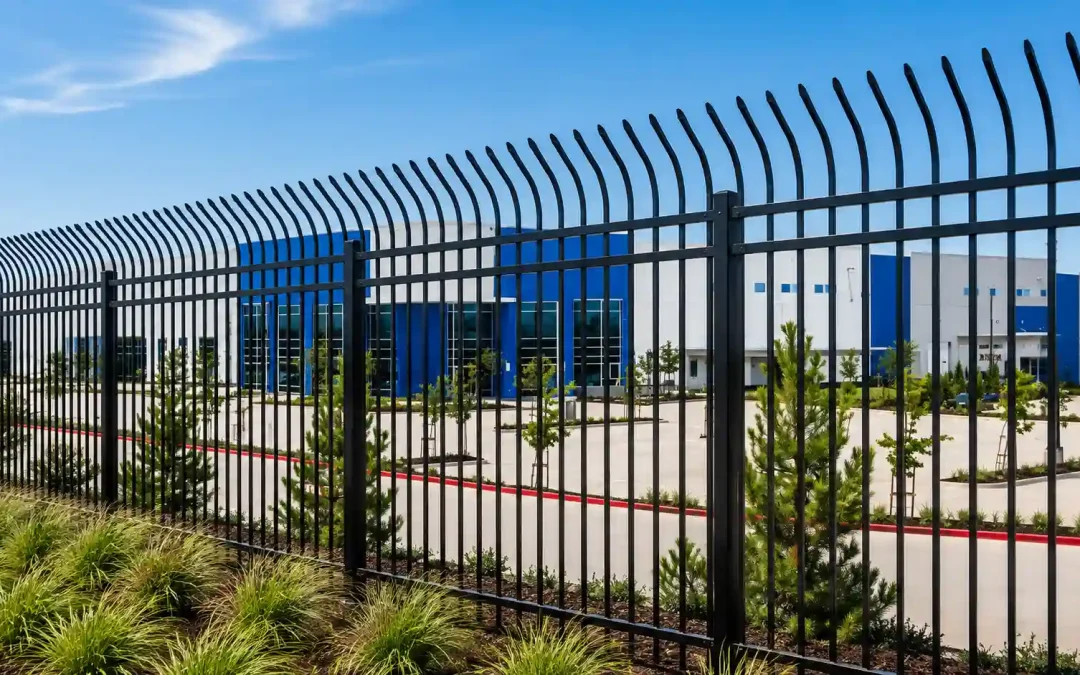
You have decided your property needs a fence. Maybe it is a dumpster enclosure that keeps drawing complaints, a storage yard that needs a real boundary, or a loading area that has become a shortcut for anyone walking through the lot. The decision itself is usually the easy part.
What catches most business owners off guard is everything that has to happen between deciding on commercial fencing and the crew actually showing up to install it.
This is the groundwork worth doing first, before a single post goes in the ground.
Start With Your Property Lines, Not the Fence Line
The most common and most expensive mistake in commercial fencing has nothing to do with materials or design. It is building along a line that turns out to be wrong. If you do not already have a recent survey on file, pull the plat map from Dane County or have a surveyor confirm your boundaries before anyone plans where the fence goes.
A fence set even a foot over a property line can turn into a dispute with a neighboring business, and moving it after installation costs far more than confirming the line beforehand.
Zoning and Setbacks Vary More Than Most Owners Expect
Commercial properties are subject to zoning rules that residential fences often are not, and those rules differ from one municipality to the next across the Madison area. Height limits often depend on whether the fence faces a public street or sits along a rear or side property line.
Setback distances from a right-of-way can vary by zoning district within the same municipality. Certain materials, such as barbed wire or electrified fencing, are restricted or outright prohibited in many commercial zones, even when the goal is legitimate security. These specifics rarely show up in a general web search because they are set locally rather than statewide, which is exactly why they catch owners off guard.
Call Before You Dig, Every Time
Once the design and placement are settled, the next step has nothing to do with fencing at all. Before any post holes are dug in Wisconsin, Diggers Hotline must be notified so that gas, electric, water, and fiber lines can be marked.
This applies to both a small residential project and a large commercial installation, and it is free. Skipping it risks crossing a line that was never marked, turning a fencing project into a utility outage or a safety incident.
Frost Line Depth Is a Durability Decision, Not a Detail
Wisconsin winters put real stress on a fence that most business owners never think about until posts start leaning a year or two after installation. Ground here freezes deep enough that posts have to be set well below the frost line, often past 42 inches depending on soil and location, or the freeze-thaw cycle will heave them out of alignment over successive winters.
This is one of the most common shortcuts an underqualified installer takes, since it adds time and material cost that does not show up in a quick walkthrough of the finished fence.
What Is the Fence Actually For
The right fence depends on what it needs to accomplish, and that should be defined clearly before comparing materials. A dumpster or mechanical enclosure has different requirements than a perimeter meant to define a leased boundary between tenants.
A storage yard that requires controlled access calls for different gate hardware than a loading dock, where the goal is simply to keep foot traffic on a safe, defined path. Naming the actual purpose upfront keeps the material and design conversation focused on what the fence needs to do, rather than defaulting to whatever looks most substantial.
If You Lease Your Space, Check Your Lease First
Commercial tenants often need landlord approval before altering the exterior of a leased property, and fencing counts as an exterior change in most commercial leases. This is easy to overlook when the fence feels like a purely practical decision, but confirming it early avoids a completed project that has to be renegotiated after the fact.
Cost and Getting It Right the First Time
Commercial fencing costs vary significantly based on material, length, gate hardware, and site conditions, and comparing options against real starting costs is a useful way to set expectations before requesting quotes.
The simplest way to avoid the most common complaint in commercial fencing, a fence that looked fine at completion and started failing within a season or two because a step got shortened somewhere along the way, is to get quotes from more than one installer and ask directly about warranty terms.
Struck & Irwin Fence’s Approach to Commercial Projects in the Madison Area
Struck & Irwin Fence has installed commercial and residential fencing throughout Madison, Middleton, and Southern Wisconsin since 1947. That length of time in the same region means the team has a working familiarity with Madison-area zoning patterns, Wisconsin freeze-thaw conditions, and the kind of site-specific problems that only show up after a few winters.
Commercial projects are handled through site consultation, a design and engineering step tailored to layout and access needs, and direct coordination with property managers, contractors, or facility teams, so the timeline holds up against the rest of a larger project.
Frequently Asked Questions
Do I need a permit to install a commercial fence in the Madison area? It depends on the municipality, the fence height, and the zoning district. Checking with the local building or zoning office before finalizing a design is the most reliable way to know for certain.
How long does a typical commercial fencing project take? A single-material enclosure with no gates can often be completed in a matter of days. Larger projects involving automated gates, multiple access points, or custom engineering typically take longer once material lead times are factored in.
Does a commercial fence need to look the same as the rest of the property? Not necessarily, but material and color choices are worth coordinating with the overall site if the fence sits somewhere customers or visitors will see it regularly.
Ready to Plan Your Commercial Fencing Project?
A short upfront consultation can clarify what your property actually needs before a single quote is drawn up. Schedule a consultation with the commercial fencing team to walk through your site, your timeline, and what makes sense for your budget.
Jun 15, 2026 | Blog
Choosing a fence is one of those decisions that looks simple from the outside but gets more involved the closer you get to it. Two of the most common choices we see in Southern Wisconsin are chain link and ornamental steel, and while both are proven performers, they serve very different purposes.
Getting this decision right from the start saves you time, money, and the frustration of a fence that does not quite fit your property or your goals.
This guide walks through the key differences so you can make a confident, well-informed choice.
What Each Fence Type Is Built to Do
Chain link is a galvanized or vinyl-coated steel mesh fence designed primarily for its functional properties. It is built to define boundaries, contain pets, secure large areas, and do all of that at a cost that is hard to match. What it is not designed to do is make a visual statement. Chain link is honest about what it is: practical, durable, and straightforward.
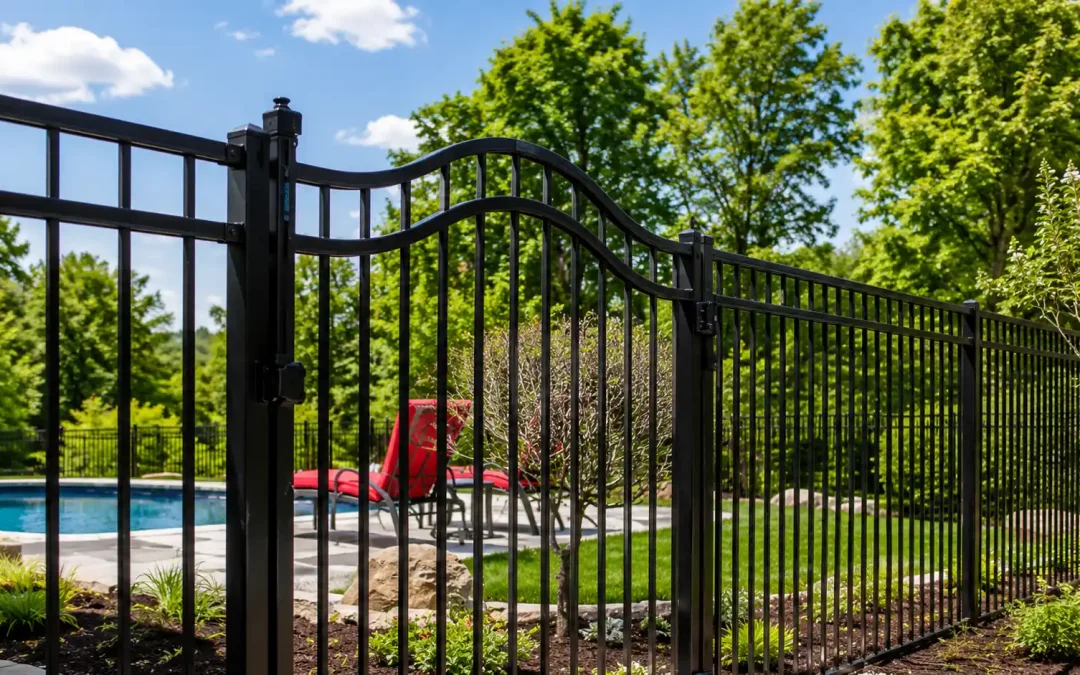
Ornamental fencing, the kind Struck & Irwin installs in steel with powder-coat finishes, brings a very different set of priorities to the conversation. It is designed to look as good as it performs.
The open picket construction provides boundary definition while keeping sightlines open and adding a finished, intentional look to the property. It is the fence you choose when function and appearance both matter.
Durability in Southern Wisconsin’s Climate
Wisconsin’s climate puts fence materials to the test. Freeze-thaw cycles stress posts and footings. Spring thaw softens the ground and shifts panels. Winter road salt migrates into yards along sidewalks and driveways. Both chain link and ornamental steel handle these conditions well, which is a big part of why both remain popular in this region.
Chain link’s galvanized steel core resists corrosion effectively over time, and vinyl-coated versions add an extra layer of protection against moisture and salt exposure. When installed correctly, with proper post depth and concrete footings, a chain-link fence in Southern Wisconsin can last for decades with very little attention.
Ornamental steel with a powder-coat finish is similarly built for longevity. The coating protects against oxidation and the kind of surface wear that Southern Wisconsin winters accelerate.
Posts set to proper frost-line depth, which in Dane County means going below the 48-inch frost line, keep ornamental panels stable through the ground movement that comes with spring thaw.
Cost and Long-Term Value
This is where the two fence types diverge most clearly, and where the decision often comes into focus.
Chain link starts from around $21 per linear foot for residential aluminized and from $25 per linear foot for black vinyl-coated, based on current pricing at Struck & Irwin. For homeowners enclosing a large yard or securing a property perimeter, chain link delivers a level of coverage per dollar that no other material approaches.
Ornamental steel starts from around $45 per linear foot installed. The higher upfront cost reflects the material quality, the fabrication involved, and the installation precision required to make ornamental fencing look right. In any situation where the fence is prominently visible and aesthetics matter, that investment pays off in a way that chain-link simply cannot.
According to the National Association of Realtors’ 2023 Remodeling Impact Report: Outdoor Features, 92% of Realtors suggest sellers improve their home’s curb appeal before listing, and 97% of NAR members believe curb appeal is important in attracting a buyer.
A well-chosen fence is one of the more visible contributors to that first impression, and ornamental fencing in particular carries the kind of visual weight that registers immediately from the street.
Security and What Each Fence Actually Provides
Both fence types provide security by defining your property and deterring casual trespassers. Neither provides privacy as a solid panel fence does, since both chain-link and ornamental steel are open by design.
Chain link is the stronger pure-security choice when you need a physical barrier over a large area at a practical cost. The woven steel construction is difficult to cut through quickly, and height options allow for serious perimeter control where that is the priority.
Ornamental fencing offers security through a different mechanism. The vertical picket construction with pointed or decorative tops creates a fence that is difficult and uninviting to climb. For pool enclosures and commercial entrances where you want a secure perimeter that also communicates care and quality, ornamental steel delivers both.
The Right Fit by Property Type
For most residential front yards and street-facing applications in Madison and the surrounding communities, ornamental is the stronger choice. It reads as an intentional design decision rather than a functional necessity, and it holds up visually next to landscaping, driveways, and the architectural character of Southern Wisconsin homes.
For backyards, large-lot enclosures, and dog runs where the fence is primarily functional rather than visible, chain-link fencing is a practical and proven solution. It does the job reliably without the cost of a premium material in an area where appearance is not the priority.
For commercial and industrial properties, chain link dominates for good reason. The per-linear-foot cost advantage at scale is significant, and commercial-grade chain link built to Struck & Irwin’s specifications holds up under the kind of daily wear that lighter residential installations would not.
Some properties call for both. A front-yard ornamental fence that transitions to chain-link along the side and rear of a property is a common and practical combination in Southern Wisconsin, and it is an approach our team has used on countless projects in the region.
Maintenance Over Time
Both fence types are low-maintenance by design, which is one reason they have remained popular in this region for decades.
Chain link requires almost no routine care beyond occasional inspection for loose tension, damaged sections, or gate hardware that needs adjustment. Vinyl-coated versions resist surface degradation and rarely need anything beyond a periodic rinse.
Ornamental steel with a high-quality powder-coat finish maintains its appearance over time. Annual inspection for any chips or scratches in the coating, addressed promptly with touch-up paint, keeps the fence looking sharp and preserves the protective finish over time.
Struck & Irwin Fence: Serving Southern Wisconsin Since 1947
Struck & Irwin Fence has been installing chain-link and ornamental fencing throughout Madison and Southern Wisconsin since 1947, making us one of the oldest and most experienced fence companies in the region. Our trained installers bring decades of hands-on experience with the specific soil conditions, frost depths, and site considerations that Southern Wisconsin properties require.
We serve residential and commercial clients throughout Dane County and the surrounding communities, including Middleton, Fitchburg, Verona, Sun Prairie, and Janesville. Every project starts with a free on-site estimate and ends with a fence built to last.
Ready to Choose the Right Fence for Your Property?
Whether you are leaning toward the practical value of chain-link fencing or the curb appeal of ornamental fencing, the best next step is to have a conversation with our team. We will assess your property, walk you through your options, and give you a clear, honest recommendation.
Request a free fence estimate and let’s find the right fit for your property.
Jun 1, 2026 | Blog
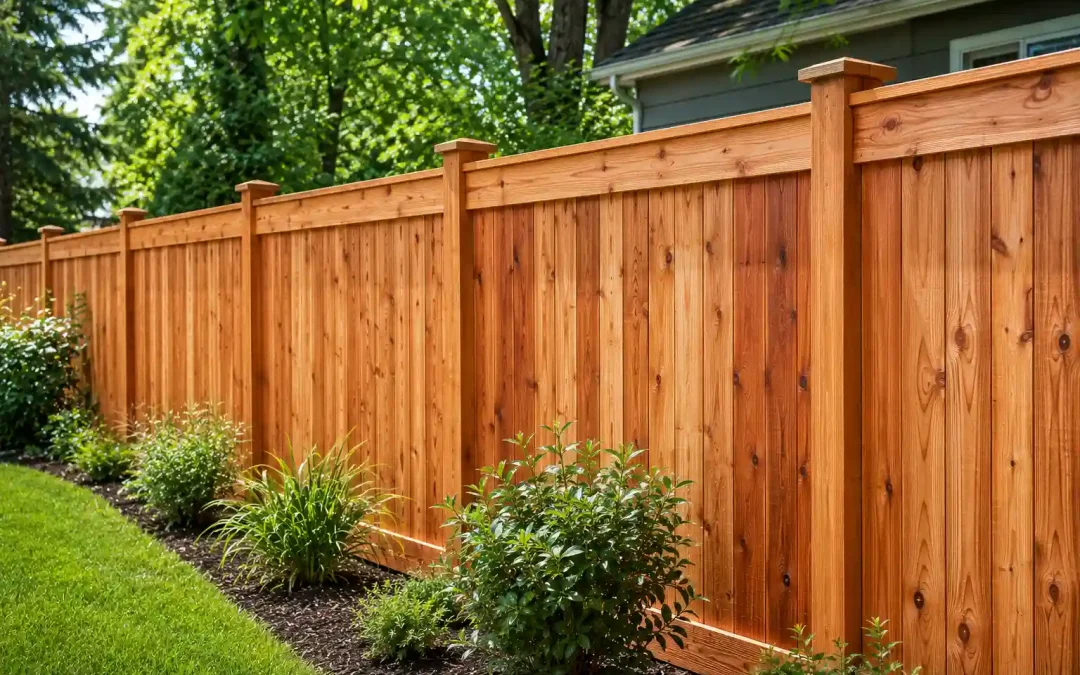
Quick answer: A professionally installed cedar fence in Wisconsin can last 20 years or more with regular maintenance. Posts may need attention sooner because they are exposed to the most moisture at ground level, whereas pickets and rails often last longer when properly sealed or stained.
A wood fence is one of the most meaningful investments a homeowner can make in their property. It adds privacy, defines space, and contributes to curb appeal in a way few other improvements can match. But getting the most out of that investment comes down to two things: the right material and the right installer.
The USDA Forest Service notes that wood can last for centuries under proper conditions, but its risk of decay increases when exposed to fungi, which require moisture, oxygen, and mild temperatures to grow. This makes drainage, sealing, and airflow especially important in climates with wet springs, humid summers, and snowy winters.
Why Cedar Is the Right Wood for This Climate
Cedar is the most appropriate choice for fences in this region because it contains natural oils that resist moisture absorption, the single most important property a fence wood can have when facing spring thaw and summer humidity. Those same oils make cedar naturally resistant to insects and fungal decay without requiring chemical treatment.
Cedar is also dimensionally stable compared to other softwoods, meaning it expands and contracts less dramatically during freeze-thaw cycles that cause pine and spruce to crack, warp, and split at joints and rails over time.
Our wood fence installation page covers the full range of cedar styles we install across Madison and southern Wisconsin.
How Climate Affects Cedar Fence Lifespan
Freeze-thaw cycles are the most damaging force a fence faces in this region. Water enters small cracks and end grain, freezes, expands, and forces those openings wider with every cycle. Posts that were not set at proper depth or lack adequate drainage at the base are the first components to fail.
UV exposure in summer still breaks down wood fiber and finishes over time. A fence left completely unfinished will dry out and absorb moisture more readily than one that receives periodic treatment.
How Long Can You Realistically Expect a Cedar Fence to Last?
With professional installation and consistent maintenance, a cedar fence can realistically last 20 years or more. Without maintenance, that number drops significantly.
The posts are almost always the first point of failure. Above-ground components like pickets and rails tend to outlast posts because they are not in contact with soil at grade. A fence with solid pickets and rails but failing posts is often a candidate for post replacement rather than full replacement, which is a meaningful cost difference.
Signs Your Cedar Fence May Need Repair or Replacement
Homeowners should consider a professional inspection if they notice leaning posts, soft wood near the ground, loose rails, cracked pickets, or gates that no longer latch properly. In some cases, replacing a few posts or pickets can extend the life of the fence. In others, widespread rot or structural movement may mean replacement is the better long-term investment.
Wood Fence Maintenance: What to Do and When
Cedar maintenance is not complicated, but it does require consistency:
- Inspect every spring: After the ground thaws, it is the best time to walk the fence line and check post bases, rail connections, and pickets. Freeze-thaw cycles can shift posts, loosen hardware, and open up small cracks over winter without being obvious from a distance. Catching these early costs a fraction of what the same problems cost after another season, compounds them.
- Clean every one to two years: Debris, mildew, and organic buildup left on the surface trap moisture against the wood and accelerate the decay that sealing is meant to prevent. Use a mild detergent and a soft brush, or wash at low pressure. Avoid high-pressure washing, which can force water into the grain and damage the wood fiber.
- Stain or seal every two to three years: A penetrating stain or sealant is the single most impactful maintenance step you can take. It limits moisture entry, slows UV degradation, and keeps the wood from drying out and checking between wet and dry seasons. Skipping this for several seasons in a row is one of the most common causes of premature deterioration we see.
- Replace damaged pickets promptly: A cracked or rotting picket is not just a cosmetic issue. It creates a direct pathway for moisture to reach the rail behind it, and decay spreads from there into components that would otherwise remain sound for years longer. Small repairs made early prevent larger repairs later.
- Keep vegetation trimmed back: Overgrowth holds moisture against the fence and blocks the airflow that helps wood dry out between rain and humidity cycles. More importantly, make sure the soil and mulch do not pile up against the post bases. The ground contact zone is where most post failures begin, and even a few inches of clearance combined with good drainage can add years to a post’s lifespan.
Why Homeowners in the Madison Area Choose Struck & Irwin
Finding a fence contractor you can trust should not feel like a gamble. Struck & Irwin Fence has been serving Madison and southern Wisconsin homeowners since 1947, with trained installation crews who show up, communicate clearly, and take pride in their work. Whether you are getting your first estimate or comparing options, we make the process straightforward from start to finish.Our fence pricing page provides starting cost ranges so you can plan with confidence, and we offer free estimates for every project so there are no surprises before work begins.

Apr 23, 2026 | Blog
Is a Western Red Cedar Fence Worth the Cost?
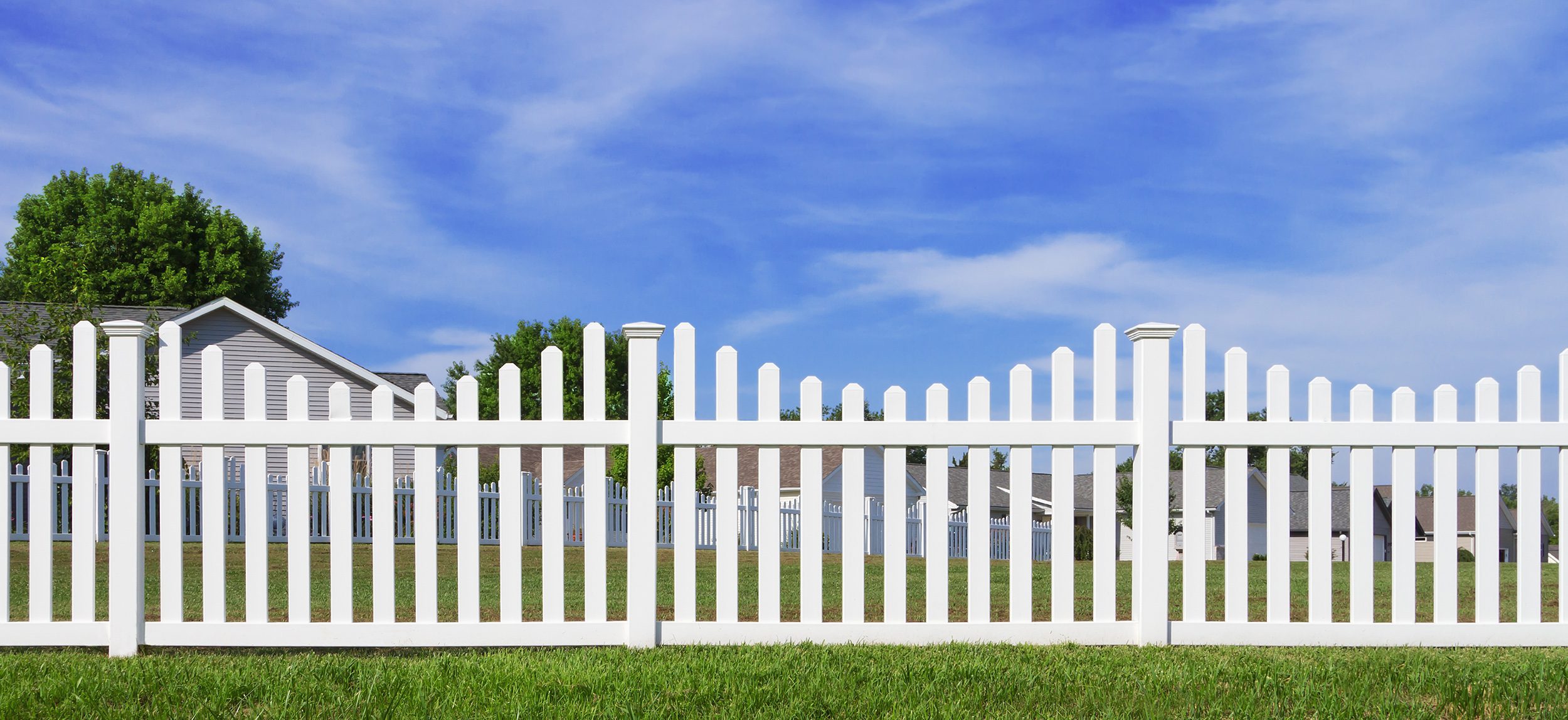
Yes. A Western Red Cedar fence is worth the investment for many Southern Wisconsin homeowners because it combines long-term durability, natural resistance to rot and insects, strong curb appeal, and proven property value enhancement when professionally installed.
Struck & Irwin Fence has installed cedar fencing across Southern Wisconsin since 1947. Based on decades of local experience, Western Red Cedar remains one of the most reliable and visually appealing fencing materials for privacy, safety, and landscape enhancement.
What Is the Average Cost of a Western Red Cedar Privacy Fence?
Western Red Cedar fence pricing typically ranges from $50 to $60 per linear foot installed.
Final pricing depends on several factors, including:
- Fence height and layout
- Privacy or decorative fence style
- Number of gates and hardware selections
- Terrain, soil conditions, and access
- Custom features such as lattice or cap and trim
For most homeowners, a standard cedar privacy fence installation falls between $6,000 and $12,000.
For accurate Western Red Cedar fence pricing, a site-specific evaluation is always recommended.
You can request a free estimate from Struck & Irwin Fence at https://struckandirwinfence.com/contact/.
Why Does Western Red Cedar Cost More Than Other Fence Materials?
Western Red Cedar has a higher upfront price because it is a premium natural material with built-in performance advantages.
Key reasons cedar costs more include:
- Natural resistance to rot, decay, and insects without chemical treatment
- Improved dimensional stability compared to lower-grade lumber
- Longer usable lifespan when properly installed
- Greater design flexibility for custom fencing styles
While cedar costs more initially than chain link or pressure-treated wood, it often delivers better long-term value and appearance.
How Long Does a Western Red Cedar Fence Last in Wisconsin?
A properly installed Western Red Cedar fence typically lasts 15 to 30 years in Southern Wisconsin.
Longevity depends on:
- Correct post depth below the frost line
- Proper drainage and soil preparation
- Quality fasteners and materials
- Periodic staining or sealing
Professional installation is critical for ensuring cedar fencing performs well through Wisconsin’s freeze-thaw cycles.
How Does Western Red Cedar Compare to Other Fence Materials?
| Fence Material | Installed Cost (Per Linear Foot) | Lifespan | Maintenance Level |
| Western Red Cedar | $50 to $60 | 15 to 30 years | Moderate |
| Vinyl | $60 to $75 | 20 to 30 years | Low |
| Chain Link | $20 to $30 | 15 to 20 years | Low |
| Ornamental Iron | $45 to $100 | 30+ years | Low |
Cedar is often selected by homeowners who want privacy fencing that enhances curb appeal while maintaining flexibility in design. For a full breakdown of all fence types and pricing comparisons, visit our guide:
Ultimate Guide to Fence Installation Pricing in Madison, WI or see more fence pricing information at https://struckandirwinfence.com/fence-pricing/
Practical Benefits of a Western Red Cedar Fence
Western Red Cedar fencing offers a balance of form and function that appeals to many homeowners.
Key benefits include:
- Privacy and security for children and pets
- Visual warmth that complements landscaping and architecture
- Customizable designs to match existing homes
- Improved curb appeal and perceived property value
These benefits make cedar one of the most popular residential fencing materials Struck & Irwin installs.
Maintenance Requirements for Cedar Wood Fencing
Western Red Cedar requires moderate maintenance to maintain its appearance and extend its lifespan.
Most homeowners choose to:
- Stain or seal their fence every 2 to 3 years
- Keep fence lines clear of vegetation and moisture
- Allow natural weathering if a silver-gray appearance is preferred
Proper maintenance significantly improves long-term performance.
Why Local Installation Matters in Southern Wisconsin
Cedar fencing performs best when installed by contractors familiar with local conditions.
Local expertise ensures:
- Proper post depth for frost conditions
- Compliance with zoning and setback regulations
- Fence designs suited to Wisconsin weather extremes
Struck & Irwin Fence has served Madison and Southern Wisconsin communities for over 75 years using experienced in-house installation crews.
Frequently Asked Questions About Western Red Cedar Fence Pricing
How much does a Western Red Cedar fence cost per foot?
Pricing for a professionally installed Western Red Cedar fence typically ranges from $50 to $60 per linear foot in Southern Wisconsin, depending on height, design, gates, and site conditions.
Why is Western Red Cedar more expensive than pressure-treated wood?
Western Red Cedar costs more because it is naturally resistant to rot and insects without chemical treatment, resulting in longer lifespan and better long-term value.
How long does a Western Red Cedar fence last in Wisconsin?
A properly installed Western Red Cedar fence lasts 15 to 30 years in Wisconsin’s climate when posts are set correctly and the fence is periodically sealed or stained.
Is a cedar fence worth the investment compared to vinyl fencing?
Yes. Cedar fencing is often worth the investment for homeowners who value natural appearance and customization, while vinyl is better suited for low-maintenance preferences.
Does a Western Red Cedar fence increase home value?
Yes. A high-quality cedar fence can increase perceived home value by improving privacy, curb appeal, and overall property functionality.
How much maintenance does a cedar fence require?
Western Red Cedar requires moderate maintenance, typically staining or sealing every 2 to 3 years.
Is Western Red Cedar good for privacy fencing?
Yes. Western Red Cedar is one of the most popular materials for privacy fencing due to its strength, tight board spacing, and natural appearance.
How does Wisconsin’s climate affect cedar fence performance?
Wisconsin’s freeze-thaw cycles make proper installation critical, but cedar performs well due to its natural moisture resistance when installed correctly.
Final Takeaway: Is Western Red Cedar Fence Pricing Worth It?
For many Southern Wisconsin homeowners, the answer is yes. Western Red Cedar fencing delivers long-term durability, strong privacy, and timeless curb appeal that justifies its upfront price when installed by an experienced local contractor.
If you are considering a cedar fence, contact Struck & Irwin Fence to schedule a free consultation and receive a detailed estimate tailored to your property.
Apr 15, 2026 | Blog
Introduction: How Much Does a Fence Cost in Madison, WI?
Fence installation pricing in Madison, WI varies widely, but most homeowners can expect to pay $2,500 to $10,000+ for a full project, depending on materials, property size, and site conditions. On a per-linear-foot basis, fence installation typically ranges from:
- $20–$30 per linear foot → Chain link (most affordable)
- $50–$60 per linear foot → Wood privacy fence installation
- $60–$75+ per linear foot → Vinyl fence installation
- $45-$100+ per linear foot- Ornamental fence installation
At Struck & Irwin Fence Company, pricing is never one-size-fits-all. Madison’s unique climate, soil conditions, and neighborhood requirements all influence final costs.
This guide breaks down everything you need to know—materials, labor, hidden costs, and smart ways to budget—so you can confidently plan your project.
What Factors Impact Fence Installation Pricing in Madison?
Understanding what drives fence pricing helps you avoid surprises and make better decisions.
- Material Type (Biggest Cost Driver)
Different materials vary dramatically in cost, durability, and maintenance.
Fence Material Cost Comparison in Madison, WI
| Fence Type | Cost per Linear Foot | Best For |
| Chain Link Fence | $20–$30 | Budget-friendly, functional |
| Wood Privacy Fence Installation | $50-$60 | Privacy, natural aesthetic |
| Vinyl Fencing | $60–$75 | Low maintenance, durability |
| Ornamental Fence | $45–$100+ | Security, curb appeal |
Explore deeper cost breakdowns:
- Vinyl fence installation costs (link to cluster post)
- Wooden fence installation costs (link to cluster post)
- Chain link fence costs (link to cluster post)
- Ornamental fence installation costs (link to cluster post)
- Labor Costs in Madison, WI
Labor typically accounts for 30–50% of total fence installation cost.
Key labor factors:
- Soil conditions (clay-heavy Madison soil requires more effort)
- Post depth requirements (frost line considerations)
- Accessibility (tight backyards increase time)
- Project complexity (gates, slopes, custom layouts)
Quotable Insight:
In Madison, WI, labor costs increase significantly for properties with slopes or frost-depth challenges, often adding 10–25% to total project cost.
- Fence Height and Length
The longer and taller your fence, the more materials and labor required.
- Standard residential fence height: 4–6 feet
- Privacy fences: 6–8 feet
- Commercial fencing: often taller and reinforced
Simple rule:
Doubling fence length nearly doubles cost but adding height can increase cost by 20–40%.
- Terrain & Property Conditions
Madison properties vary from flat suburban lots to sloped, wooded areas.
Cost-impacting conditions:
- Slopes or uneven terrain
- Tree or root removal
- Rock-heavy soil
- Drainage or erosion concerns
- Permits & Local Regulations (Madison-Specific)
In Madison, fence installation may require:
- Permits (depending on height and location)
- Property line verification (survey recommended)
- HOA approvals (in certain neighborhoods)
Typical permit costs: $50–$300
External reference:
Check local requirements via the City of Madison Development Services Read Madison’s Fence & Hedge Guide
Fence Installation Costs by Material in Madison
Vinyl Fence Installation Costs
Vinyl fencing is one of the most popular options in Madison due to durability.
Average cost:
- $60–$75 per linear foot
- $5,000–$15,000+ total project cost
Pros:
- Low maintenance (no staining or painting)
- Long lifespan (20–30+ years)
- Clean, modern look
Cons:
- Higher upfront cost
- Limited color options
Wooden Fence Installation Costs
Wood remains a top choice for homeowners seeking privacy and warmth.
Average cost:
- $50-60 per linear foot
- $3,500–$10,000 total
Pros:
- Natural aesthetic
- Customizable styles
- Lower upfront cost than vinyl
Cons:
- Requires maintenance (staining/sealing)
- Susceptible to weather damage in Wisconsin winters
Chain Link Fence Costs (Least Expensive Fence Installation)
Chain link is the most affordable fence installation option.
Average cost:
- $20–$30 per linear foot
- $2,000–$6,000 total
Best for:
- Pet containment
- Commercial fencing
- Budget-conscious projects
Ornamental Fence Installation Costs
Ornamental fences (aluminum or steel) offer premium aesthetics and security.
Average cost:
- $45–$100+ per linear foot
- $8,000–$20,000+ total
Best for:
- Front yard curb appeal
- Commercial properties
- Long-term durability
How to Choose the Right Fence for Your Budget
Step-by-Step Decision Guide
- Define your goal
- Privacy, security, aesthetics, or containment
- Set a realistic budget
- Include materials + labor + permits
- Compare material lifespans
- Vinyl lasts longer, wood costs less upfront
- Evaluate maintenance tolerance
- Want low maintenance? Choose vinyl or ornamental
- Consult a local fence contractor
- Local expertise matters in Madison’s climate and understanding local ordinances
How to Save on Fence Installation Costs
Smart ways to reduce costs without sacrificing quality:
- Choose chain link for large areas
- Install during off-peak seasons
- Minimize custom features and gate entrances
- Prepare your site in advance (clear obstacles)
- Work with an experienced fence company in Madison
Pro Tip:
Investing in higher-quality materials often reduces long-term maintenance and replacement costs.
Why Work with a Local Fence Company in Madison?
Choosing a local fence contractor like Struck & Irwin Fence Company offers key advantages:
- Deep understanding of Madison soil and weather conditions
- Knowledge of local regulations and permits
- Faster project timelines
- Reliable service and accountability
Frequently Asked Questions About Fence Installation Pricing in Madison
How much does a fence cost per foot in Madison, WI?
Most fences in Madison cost $20–$75 per linear foot, depending on material and complexity.
What is the least expensive fence installation option?
Chain link fencing is typically the most affordable option.
What is the most durable fencing option?
Vinyl and ornamental fences offer the longest lifespan with minimal maintenance.
How long does fence installation take?
Most residential fence installations take 1–3 days, depending on size and conditions.
Key Takeaways
- Fence installation pricing in Madison, WI ranges from $20–$75+ per linear foot
- Material choice is the biggest cost factor
- Labor accounts for up to 50% of total cost
- Chain link is the cheapest; ornamental is the most premium
- Local conditions (soil, frost line) significantly impact pricing
Get an Accurate Idea of Your Fence Installation Pricing in Madison, WI
Fence pricing is highly dependent on your property, goals, and materials. The best way to get an accurate estimate is to work with an experienced, local fence company.
Struck & Irwin Fence Company combines craftsmanship, local expertise, and transparent pricing to deliver fencing solutions built for Wisconsin conditions.
Request a custom quote today and get expert guidance on your fence installation project.