How Long Does a Cedar Wood Fence Last in Wisconsin?

How Long Does a Cedar Wood Fence Last in Wisconsin?

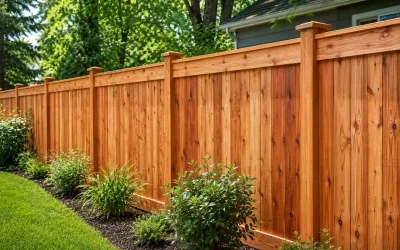
Quick answer: A professionally installed cedar fence in Wisconsin can last 20 years or more with regular maintenance. Posts may need attention sooner because they are exposed to the most moisture at ground level, whereas pickets and rails often last longer when properly sealed or stained.

A wood fence is one of the most meaningful investments a homeowner can make in their property. It adds privacy, defines space, and contributes to curb appeal in a way few other improvements can match. But getting the most out of that investment comes down to two things: the right material and the right installer.

The USDA Forest Service notes that wood can last for centuries under proper conditions, but its risk of decay increases when exposed to fungi, which require moisture, oxygen, and mild temperatures to grow. This makes drainage, sealing, and airflow especially important in climates with wet springs, humid summers, and snowy winters.

Why Cedar Is the Right Wood for This Climate

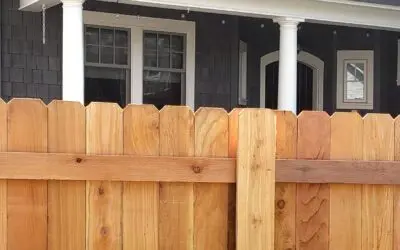
Cedar is the most appropriate choice for fences in this region because it contains natural oils that resist moisture absorption, the single most important property a fence wood can have when facing spring thaw and summer humidity. Those same oils make cedar naturally resistant to insects and fungal decay without requiring chemical treatment.

Cedar is also dimensionally stable compared to other softwoods, meaning it expands and contracts less dramatically during freeze-thaw cycles that cause pine and spruce to crack, warp, and split at joints and rails over time.

Our wood fence installation page covers the full range of cedar styles we install across Madison and southern Wisconsin.

How Climate Affects Cedar Fence Lifespan

Freeze-thaw cycles are the most damaging force a fence faces in this region. Water enters small cracks and end grain, freezes, expands, and forces those openings wider with every cycle. Posts that were not set at proper depth or lack adequate drainage at the base are the first components to fail.

UV exposure in summer still breaks down wood fiber and finishes over time. A fence left completely unfinished will dry out and absorb moisture more readily than one that receives periodic treatment.

How Long Can You Realistically Expect a Cedar Fence to Last?

With professional installation and consistent maintenance, a cedar fence can realistically last 20 years or more. Without maintenance, that number drops significantly.

The posts are almost always the first point of failure. Above-ground components like pickets and rails tend to outlast posts because they are not in contact with soil at grade. A fence with solid pickets and rails but failing posts is often a candidate for post replacement rather than full replacement, which is a meaningful cost difference.

Signs Your Cedar Fence May Need Repair or Replacement

Homeowners should consider a professional inspection if they notice leaning posts, soft wood near the ground, loose rails, cracked pickets, or gates that no longer latch properly. In some cases, replacing a few posts or pickets can extend the life of the fence. In others, widespread rot or structural movement may mean replacement is the better long-term investment.

Wood Fence Maintenance: What to Do and When

Cedar maintenance is not complicated, but it does require consistency:

  • Inspect every spring: After the ground thaws, it is the best time to walk the fence line and check post bases, rail connections, and pickets. Freeze-thaw cycles can shift posts, loosen hardware, and open up small cracks over winter without being obvious from a distance. Catching these early costs a fraction of what the same problems cost after another season, compounds them.
  • Clean every one to two years: Debris, mildew, and organic buildup left on the surface trap moisture against the wood and accelerate the decay that sealing is meant to prevent. Use a mild detergent and a soft brush, or wash at low pressure. Avoid high-pressure washing, which can force water into the grain and damage the wood fiber.
  • Stain or seal every two to three years: A penetrating stain or sealant is the single most impactful maintenance step you can take. It limits moisture entry, slows UV degradation, and keeps the wood from drying out and checking between wet and dry seasons. Skipping this for several seasons in a row is one of the most common causes of premature deterioration we see.
  • Replace damaged pickets promptly: A cracked or rotting picket is not just a cosmetic issue. It creates a direct pathway for moisture to reach the rail behind it, and decay spreads from there into components that would otherwise remain sound for years longer. Small repairs made early prevent larger repairs later.
  • Keep vegetation trimmed back: Overgrowth holds moisture against the fence and blocks the airflow that helps wood dry out between rain and humidity cycles. More importantly, make sure the soil and mulch do not pile up against the post bases. The ground contact zone is where most post failures begin, and even a few inches of clearance combined with good drainage can add years to a post’s lifespan.

Why Homeowners in the Madison Area Choose Struck & Irwin

Finding a fence contractor you can trust should not feel like a gamble. Struck & Irwin Fence has been serving Madison and southern Wisconsin homeowners since 1947, with trained installation crews who show up, communicate clearly, and take pride in their work. Whether you are getting your first estimate or comparing options, we make the process straightforward from start to finish.Our fence pricing page provides starting cost ranges so you can plan with confidence, and we offer free estimates for every project so there are no surprises before work begins.

Western Red Cedar Fence Pricing: Is It Worth the Investment in Southern Wisconsin?

Western Red Cedar Fence Pricing: Is It Worth the Investment in Southern Wisconsin?

Is a Western Red Cedar Fence Worth the Cost?

Yes. A Western Red Cedar fence is worth the investment for many Southern Wisconsin homeowners because it combines long-term durability, natural resistance to rot and insects, strong curb appeal, and proven property value enhancement when professionally installed.

Struck & Irwin Fence has installed cedar fencing across Southern Wisconsin since 1947. Based on decades of local experience, Western Red Cedar remains one of the most reliable and visually appealing fencing materials for privacy, safety, and landscape enhancement.

What Is the Average Cost of a Western Red Cedar Privacy Fence?

Western Red Cedar fence pricing typically ranges from $50 to $60 per linear foot installed.

Final pricing depends on several factors, including:

  • Fence height and layout
  • Privacy or decorative fence style
  • Number of gates and hardware selections
  • Terrain, soil conditions, and access
  • Custom features such as lattice or cap and trim

For most homeowners, a standard cedar privacy fence installation falls between $6,000 and $12,000.

For accurate Western Red Cedar fence pricing, a site-specific evaluation is always recommended.
You can request a free estimate from Struck & Irwin Fence at https://struckandirwinfence.com/contact/.

Why Does Western Red Cedar Cost More Than Other Fence Materials?

Western Red Cedar has a higher upfront price because it is a premium natural material with built-in performance advantages.

Key reasons cedar costs more include:

  • Natural resistance to rot, decay, and insects without chemical treatment
  • Improved dimensional stability compared to lower-grade lumber
  • Longer usable lifespan when properly installed
  • Greater design flexibility for custom fencing styles

While cedar costs more initially than chain link or pressure-treated wood, it often delivers better long-term value and appearance.

ย 

How Long Does a Western Red Cedar Fence Last in Wisconsin?

A properly installed Western Red Cedar fence typically lasts 15 to 30 years in Southern Wisconsin.

Longevity depends on:

  • Correct post depth below the frost line
  • Proper drainage and soil preparation
  • Quality fasteners and materials
  • Periodic staining or sealing

Professional installation is critical for ensuring cedar fencing performs well through Wisconsinโ€™s freeze-thaw cycles.

ย 

How Does Western Red Cedar Compare to Other Fence Materials?

Fence Material Installed Cost (Per Linear Foot) Lifespan Maintenance Level
Western Red Cedar $50 to $60 15 to 30 years Moderate
Vinyl $60 to $75 20 to 30 years Low
Chain Link $20 to $30 15 to 20 years Low
Ornamental Iron $45 to $100 30+ years Low

Cedar is often selected by homeowners who want privacy fencing that enhances curb appeal while maintaining flexibility in design.ย  For a full breakdown of all fence types and pricing comparisons, visit our guide:
Ultimate Guide to Fence Installation Pricing in Madison, WI or see more fence pricing information at https://struckandirwinfence.com/fence-pricing/

ย 

Practical Benefits of a Western Red Cedar Fence

Western Red Cedar fencing offers a balance of form and function that appeals to many homeowners.

Key benefits include:

  • Privacy and security for children and pets
  • Visual warmth that complements landscaping and architecture
  • Customizable designs to match existing homes
  • Improved curb appeal and perceived property value

These benefits make cedar one of the most popular residential fencing materials Struck & Irwin installs.

Maintenance Requirements for Cedar Wood Fencing

Western Red Cedar requires moderate maintenance to maintain its appearance and extend its lifespan.

Most homeowners choose to:

  • Stain or seal their fence every 2 to 3 years
  • Keep fence lines clear of vegetation and moisture
  • Allow natural weathering if a silver-gray appearance is preferred

Proper maintenance significantly improves long-term performance.

Why Local Installation Matters in Southern Wisconsin

Cedar fencing performs best when installed by contractors familiar with local conditions.

Local expertise ensures:

  • Proper post depth for frost conditions
  • Compliance with zoning and setback regulations
  • Fence designs suited to Wisconsin weather extremes

Struck & Irwin Fence has served Madison and Southern Wisconsin communities for over 75 years using experienced in-house installation crews.

ย 

Frequently Asked Questions About Western Red Cedar Fence Pricing

How much does a Western Red Cedar fence cost per foot?

Pricing for a professionally installed Western Red Cedar fence typically ranges from $50 to $60 per linear foot in Southern Wisconsin, depending on height, design, gates, and site conditions.

Why is Western Red Cedar more expensive than pressure-treated wood?

Western Red Cedar costs more because it is naturally resistant to rot and insects without chemical treatment, resulting in longer lifespan and better long-term value.

How long does a Western Red Cedar fence last in Wisconsin?

A properly installed Western Red Cedar fence lasts 15 to 30 years in Wisconsinโ€™s climate when posts are set correctly and the fence is periodically sealed or stained.

ย Is a cedar fence worth the investment compared to vinyl fencing?

Yes. Cedar fencing is often worth the investment for homeowners who value natural appearance and customization, while vinyl is better suited for low-maintenance preferences.

ย Does a Western Red Cedar fence increase home value?

Yes. A high-quality cedar fence can increase perceived home value by improving privacy, curb appeal, and overall property functionality.

ย How much maintenance does a cedar fence require?

Western Red Cedar requires moderate maintenance, typically staining or sealing every 2 to 3 years.

ย Is Western Red Cedar good for privacy fencing?

Yes. Western Red Cedar is one of the most popular materials for privacy fencing due to its strength, tight board spacing, and natural appearance.

How does Wisconsinโ€™s climate affect cedar fence performance?

Wisconsinโ€™s freeze-thaw cycles make proper installation critical, but cedar performs well due to its natural moisture resistance when installed correctly.

ย 

Final Takeaway: Is Western Red Cedar Fence Pricing Worth It?

For many Southern Wisconsin homeowners, the answer is yes. Western Red Cedar fencing delivers long-term durability, strong privacy, and timeless curb appeal that justifies its upfront price when installed by an experienced local contractor.

If you are considering a cedar fence, contact Struck & Irwin Fence to schedule a free consultation and receive a detailed estimate tailored to your property.

The Ultimate Guide to Fence Installation Pricing in Madison, WI: Costs, Materials & What Impacts Price

The Ultimate Guide to Fence Installation Pricing in Madison, WI: Costs, Materials & What Impacts Price

Introduction: How Much Does a Fence Cost in Madison, WI?

Fence installation pricing in Madison, WI varies widely, but most homeowners can expect to pay $2,500 to $10,000+ for a full project, depending on materials, property size, and site conditions. On a per-linear-foot basis, fence installation typically ranges from:

  • $20โ€“$30 per linear foot โ†’ Chain link (most affordable)
  • $50โ€“$60 per linear foot โ†’ Wood privacy fence installation
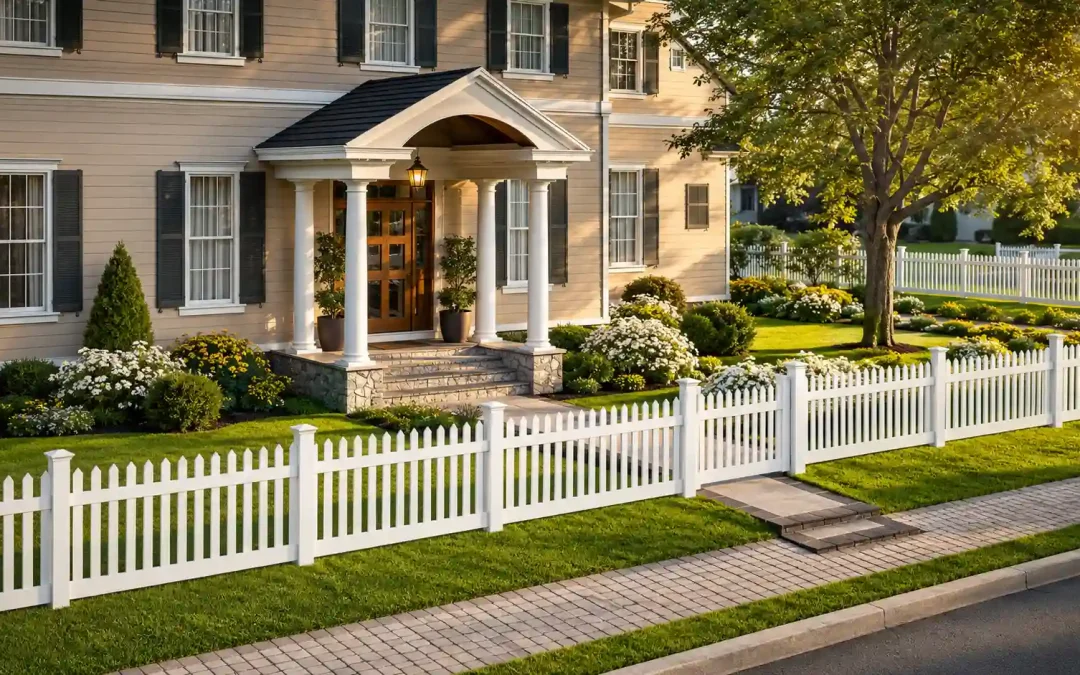
  • $60โ€“$75+ per linear foot โ†’ Vinyl fence installation
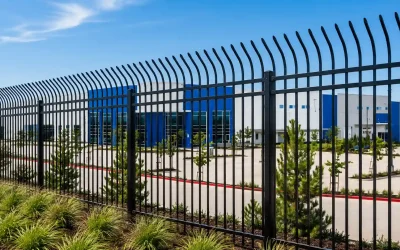
  • $45-$100+ per linear foot- Ornamental fence installation

At Struck & Irwin Fence Company, pricing is never one-size-fits-all. Madisonโ€™s unique climate, soil conditions, and neighborhood requirements all influence final costs.

This guide breaks down everything you need to knowโ€”materials, labor, hidden costs, and smart ways to budgetโ€”so you can confidently plan your project.

What Factors Impact Fence Installation Pricing in Madison?

Understanding what drives fence pricing helps you avoid surprises and make better decisions.

  1. Material Type (Biggest Cost Driver)

Different materials vary dramatically in cost, durability, and maintenance.

Fence Material Cost Comparison in Madison, WI

Fence Type

Cost per Linear Foot

Best For

Chain Link Fence

$20โ€“$30

Budget-friendly, functional

Wood Privacy Fence Installation

$50-$60

Privacy, natural aesthetic

Vinyl Fencing

$60โ€“$75

Low maintenance, durability

Ornamental Fence

$45โ€“$100+

Security, curb appeal

Explore deeper cost breakdowns:

  • Vinyl fence installation costs (link to cluster post)
  • Wooden fence installation costs (link to cluster post)
  • Chain link fence costs (link to cluster post)
  • Ornamental fence installation costs (link to cluster post)
  1. Labor Costs in Madison, WI

Labor typically accounts for 30โ€“50% of total fence installation cost.

Key labor factors:

  • Soil conditions (clay-heavy Madison soil requires more effort)
  • Post depth requirements (frost line considerations)
  • Accessibility (tight backyards increase time)
  • Project complexity (gates, slopes, custom layouts)

Quotable Insight:

In Madison, WI, labor costs increase significantly for properties with slopes or frost-depth challenges, often adding 10โ€“25% to total project cost.

  1. Fence Height and Length

The longer and taller your fence, the more materials and labor required.

  • Standard residential fence height: 4โ€“6 feet
  • Privacy fences: 6โ€“8 feet
  • Commercial fencing: often taller and reinforced

Simple rule:

Doubling fence length nearly doubles cost but adding height can increase cost by 20โ€“40%.

  1. Terrain & Property Conditions

Madison properties vary from flat suburban lots to sloped, wooded areas.

Cost-impacting conditions:

  • Slopes or uneven terrain
  • Tree or root removal
  • Rock-heavy soil
  • Drainage or erosion concerns
  1. Permits & Local Regulations (Madison-Specific)

In Madison, fence installation may require:

  • Permits (depending on height and location)
  • Property line verification (survey recommended)
  • HOA approvals (in certain neighborhoods)

Typical permit costs: $50โ€“$300

External reference:
Check local requirements via the City of Madison Development Services ย Read Madisonโ€™s Fence & Hedge Guide

Fence Installation Costs by Material in Madison

Vinyl Fence Installation Costs

Vinyl fencing is one of the most popular options in Madison due to durability.

Average cost:

  • $60โ€“$75 per linear foot
  • $5,000โ€“$15,000+ total project cost

Pros:

  • Low maintenance (no staining or painting)
  • Long lifespan (20โ€“30+ years)
  • Clean, modern look

Cons:

  • Higher upfront cost
  • Limited color options

Wooden Fence Installation Costs

Wood remains a top choice for homeowners seeking privacy and warmth.

Average cost:

  • $50-60 per linear foot
  • $3,500โ€“$10,000 total

Pros:

  • Natural aesthetic
  • Customizable styles
  • Lower upfront cost than vinyl

Cons:

  • Requires maintenance (staining/sealing)
  • Susceptible to weather damage in Wisconsin winters

Chain Link Fence Costs (Least Expensive Fence Installation)

Chain link is the most affordable fence installation option.

Average cost:

  • $20โ€“$30 per linear foot
  • $2,000โ€“$6,000 total

Best for:

  • Pet containment
  • Commercial fencing
  • Budget-conscious projects

Ornamental Fence Installation Costs

Ornamental fences (aluminum or steel) offer premium aesthetics and security.

Average cost:

  • $45โ€“$100+ per linear foot
  • $8,000โ€“$20,000+ total

Best for:

  • Front yard curb appeal
  • Commercial properties
  • Long-term durability

How to Choose the Right Fence for Your Budget

Step-by-Step Decision Guide

  1. Define your goal
    • Privacy, security, aesthetics, or containment
  2. Set a realistic budget
    • Include materials + labor + permits
  3. Compare material lifespans
    • Vinyl lasts longer, wood costs less upfront
  4. Evaluate maintenance tolerance
    • Want low maintenance? Choose vinyl or ornamental
  5. Consult a local fence contractor
    • Local expertise matters in Madisonโ€™s climate and understanding local ordinances

How to Save on Fence Installation Costs

Smart ways to reduce costs without sacrificing quality:

  • Choose chain link for large areas
  • Install during off-peak seasons
  • Minimize custom features and gate entrances
  • Prepare your site in advance (clear obstacles)
  • Work with an experienced fence company in Madison

Pro Tip:

Investing in higher-quality materials often reduces long-term maintenance and replacement costs.

Why Work with a Local Fence Company in Madison?

Choosing a local fence contractor like Struck & Irwin Fence Company offers key advantages:

  • Deep understanding of Madison soil and weather conditions
  • Knowledge of local regulations and permits
  • Faster project timelines
  • Reliable service and accountability

Frequently Asked Questions About Fence Installation Pricing in Madison

How much does a fence cost per foot in Madison, WI?

Most fences in Madison cost $20โ€“$75 per linear foot, depending on material and complexity.

What is the least expensive fence installation option?

Chain link fencing is typically the most affordable option.

What is the most durable fencing option?

Vinyl and ornamental fences offer the longest lifespan with minimal maintenance.

How long does fence installation take?

Most residential fence installations take 1โ€“3 days, depending on size and conditions.

Key Takeaways

  • Fence installation pricing in Madison, WI ranges from $20โ€“$75+ per linear foot
  • Material choice is the biggest cost factor
  • Labor accounts for up to 50% of total cost
  • Chain link is the cheapest; ornamental is the most premium
  • Local conditions (soil, frost line) significantly impact pricing

Get an Accurate Idea of Your Fence Installation Pricing in Madison, WI

Fence pricing is highly dependent on your property, goals, and materials. The best way to get an accurate estimate is to work with an experienced, local fence company.

Struck & Irwin Fence Company combines craftsmanship, local expertise, and transparent pricing to deliver fencing solutions built for Wisconsin conditions.

Request a custom quote today and get expert guidance on your fence installation project.

What to Expect During a Professional Fence Installation in Madison, WI

What to Expect During a Professional Fence Installation in Madison, WI

What Fence Installation Looks Like in Madison, WI

Professional fence installation in Madison, WI should feel straightforward, transparent, and locally informed. That means understanding zoning rules, knowing when permits are needed, and choosing fence materials that stand up to Wisconsin weather. Whether you are considering vinyl fencing, wooden fencing, ornamental fencing, chain link fencing, or commercial fencing, a clear process helps you choose the best fence companies and avoid surprises.

With more than 75 years of experience in Southern Wisconsin, Struck and Irwin Fence focuses on fences that look right, perform well, and comply with local rules that matter for Dane County homeowners.

What to Expect During a Professional Fence Installation in Dane County, WI

1. How the Fence Installation Process Begins: Site Visit and Quote

Every quality fence installation starts with a site visit. Reputable fence companies will:

  1. Measure your yard accurately
  2. Ask about your goals, such as privacy, pet or child safety, pool security, or curb appeal
  3. Recommend materials suited to Madison area conditions
  4. Look for possible issues with property lines, slopes, or utilities
  5. Provide a clear written quote that explains materials, timeline, and warranty

Quotable insight:
“Clear measurements and clear expectations at the first visit are the foundation of a successful fence installation.”

2. Selecting the Right Fence Materials for Wisconsin Weather

Dane County weather includes snow, ice, freeze and thaw cycles, and humid summers. The right material choice will protect your investment and reduce long-term maintenance.

Common Fence Materials for Madison Area Homes

  • Wooden fencing
    • Classic look, great for privacy
    • Cedar is popular because it performs well in Wisconsinโ€™s climate
    • Can be styled to match traditional or modern homes
  • Vinyl fencing
    • Very low maintenance
    • Moisture resistant, ideal for pool areas and busy families
    • Available in privacy, semi privacy, and decorative styles
  • Ornamental fencing
    • Decorative, strong, and typically coated to resist rust
    • Great for front yards, gardens, and properties where you want visibility and security
  • Chain link fencing
    • Cost effective and durable
    • Excellent for pet containment and larger properties
    • Can be upgraded with vinyl coated mesh for a cleaner look
  • Commercial fencing
    • Designed for security, access control, and heavy use at businesses and facilities
    • Often includes taller heights, gates, and hardware suited for frequent operation

3. Understanding City of Madison Fence Rules and Dane County Requirements

City of Madison: Fence or Hedge Rules

The City of Madison provides a detailed “Fence or Hedge” guide for one and two family residential properties. The City clearly states that you do not need a building permit to put up a fence. However, you must follow city rules on height, placement, visibility, and pool safety. (City of Madison, WI)

Official City of Madison Fence or Hedge page:
https://www.cityofmadison.com/development-services-center/1-2-family-residential/repairs-replacements/fence-or-hedge

Key points from the City of Madison:

  • You do not need a building permit to put up a fence, but you must follow local laws for height and placement.
  • You must know your lot lines, and your fence cannot encroach on your neighborโ€™s property.
  • Front yard and corner lot fences have stricter height limits to protect visibility for drivers and pedestrians.
  • Screening fences or hedges in rear or interior side yards are generally allowed up to six feet high, and up to eight feet high when next to a commercial district property line.
  • In-ground pools must be enclosed by a fence that is at least four feet high, with a gate that can be locked.

This City of Madison page is the most direct and authoritative resource for homeowners who want to confirm fence heights, placement, and pool-related rules within the city.

Dane County Zoning: Properties Outside of Cities and Villages

If your property is outside city or village limits, Dane County Planning and Development oversees zoning permits and use of land. (danecountyplanning.com)

Dane County Planning and Development home page:
https://www.danecountyplanning.com/

Dane County zoning permits information:
https://www.danecountyplanning.com/Permits-Applications/Zoning-Permit

The County explains that zoning is used to balance property rights with safety and orderly development. Certain properties, especially those in special zoning districts, shoreland, or environmental corridors, may have added rules that affect where a fence can be located. (danecountyplanning.com)

If you live in a town such as Dunn or other rural areas, the town may not require a building permit for fences, but may direct you to Dane County Zoning for setback and district rules. (The Town of Dunn)

What the Best Fence Companies Do for Homeowners

Quality fencing companies in the Madison area will:

  • Ask for your address and determine whether you are under City of Madison rules or Dane County zoning
  • Review height and placement rules that apply to your property
  • Help you understand any special restrictions if you live near commercial districts, intersections, or environmental areas
  • Design the layout of your vinyl fencing, wooden fencing, ornamental fencing, or chain link fencing to fit within those rules

Quotable insight:
“Local code knowledge is one of the clearest signs that you are working with a fence company that actually understands your neighborhood.”

4. Installation Timeline: How Long Fence Installation Usually Takes

Here is a typical timeline for a professional fence installation in Madison or around Dane County.

Typical Timeline

  1. Initial consultation
    • 30 to 60 minutes on site
  2. Quote and planning
    • 1 to 3 business days for measurements, layout, and material options
  3. Utility marking by Diggers Hotline
  4. Material ordering
    • 1 to 3 weeks depending on material type and current supply
  5. Fence installation
    • 1 to 2 days for most residential projects
    • 3 to 7 days for larger or more complex commercial fencing projects

Factors That Can Change the Timeline

  • Frozen ground or very wet soil
  • Extended rain or storms
  • Custom ornamental fencing or specialty gates
  • Sloped or heavily landscaped yards that require additional work

For Madison and Dane County, late spring, summer, and early fall are prime installation seasons. Booking early with your chosen fencing companies can secure your preferred timing.

5. What Professional Fence Installers Do During Installation

During the actual installation, the best fence companies focus on safety, precision, and cleanliness.

You Can Expect:

  • A pre installation walk through to confirm fence lines, gate locations, and material choices
  • Marking and verifying property lines, with respect for neighboring properties
  • Post holes dug to the proper depth for local soil and frost conditions
  • Concrete or setting methods matched to the material and site conditions
  • Care taken to protect your lawn, landscaping, and existing structures
  • All rails, panels, or pickets installed level and securely
  • Gates hung and adjusted so they operate smoothly and latch correctly
  • Final clean up of materials and debris

Quotable insight:
“The quality of a fence is often defined by how straight the lines are, how solid the posts feel, and how well the gates work on day one and year ten.”

6. After Your Fence Installation: Final Steps and Maintenance Tips

A professional fencing company does not simply install and disappear. You should expect guidance that helps your fence look better and last longer.

What You Should Receive After Installation

  • Warranty documentation for materials and workmanship
  • Maintenance instructions that are specific to vinyl fencing, wooden fencing, ornamental fencing, or chain link fencing
  • Gate checks and final adjustments
  • A final walk through to review the project and answer questions

Basic Care Tips for Madison Area Fences

  • Wooden fencing
    • Consider staining or sealing cedar to prolong its life and maintain color
    • Inspect periodically for loose boards or hardware
  • Vinyl fencing
    • Wash occasionally with mild soap and water to remove dirt or algae
    • Check posts and panels after major storms
  • Ornamental fencing
    • Keep soil and mulch off the base of posts to reduce moisture
    • Rinse off salt or deicing materials near driveways after winter
  • Chain link fencing
    • Inspect tension wire and fabric for damage from pets or yard equipment
    • For vinyl coated chain link, avoid scraping with metal tools

Regular care, combined with a proper installation, helps your fence stand up to Wisconsin winters and remain a strong asset to your property.

Summary: Key Takeaways for Madison and Dane County Homeowners

  • Professional fence installation should be organized, code aware, and tailored to your yard and your goals.
  • The City of Madison does not require a building permit for most residential fences, but it has clear rules about fence height, placement, and pool fencing that you must follow. (City of Madison, WI)
  • Properties outside of cities and villages may be subject to Dane County zoning rules, so checking with Dane County Planning and Development is an important step. (danecountyplanning.com)
  • Choosing the right material, whether wooden fencing, vinyl fencing, ornamental fencing, chain link fencing, or commercial fencing, will determine how your fence performs in Wisconsin weather.
  • The best fence companies handle details such as utility marking, local rules, and high quality installation so you can enjoy a safe and attractive fence for years.

Ready to Start Your Fence Project in Madison or Dane County?

Struck and Irwin Fence has been serving Southern Wisconsin homeowners, businesses, and community partners for more than 75 years. We combine premium materials with experienced installers who understand local rules, property types, and what really works in our climate.

Whether you are planning a new fence for pets, children, a pool, added privacy, or a commercial property, we are ready to help you move from questions to a completed fence installation you can feel good about.

Request a quote today and see why so many homeowners and property owners choose Struck and Irwin as one of the best fence companies in Wisconsin.

Vinyl vs. Wood Fence Installation in Southern Wisconsin: What Homeowners Need to Know

Vinyl vs. Wood Fence Installation in Southern Wisconsin: What Homeowners Need to Know

Vinyl vs. Wood Fence Installation in Southern Wisconsin: Whatโ€™s Right for Your Property?

Choosing between a wood fence and vinyl fencing can feel like a toss-upโ€”especially in a region like Southern Wisconsin, where climate, curb appeal, and long-term value all matter. Whether youโ€™re in the heart of Madison or the rolling outskirts, understanding the pros, cons, and practical implications of each material will help you make an informed choice.

At Struck & Irwin Fence, weโ€™ve been installing fences since 1947. Hereโ€™s what you need to know if you’re planning a Madison fence installation and weighing vinyl vs. wood.

How Do Vinyl and Wood Fences Compare?

Letโ€™s break it down across six key factors that matter most to homeowners:

1. Appearance and Style

  • Wood Fence: Timeless, warm, and natural. Cedar and pine are popular for their rich grains and customizable finishes.  At Struck and Irwin Fence, all of our wood fence materials are Western Red Cedar.
  • Vinyl Fence: Sleek and clean with modern lines. Available in a variety of styles and colors, including options that mimic real wood.

 Local Insight: In historic Madison neighborhoods, wood fences often blend better with older architecture, while vinyl is favored in newer subdivisions.

2. Maintenance Requirements

  • Wood Fence Installation: Requires regular staining or sealing to prevent rot and discoloration.  With Western Red Cedar materials staining and sealing is primarily for aesthetic reasons โ€“ to prevent natural graying.  Cedar is naturally rot and decay resistant.
  • Vinyl Fence Installation: Virtually maintenance-free. Just hose it down occasionally to keep it looking fresh.

3. Durability in Wisconsinโ€™s Climate

  • Wood: Can warp, crack, or rot over timeโ€”especially without proper sealing.
  • Vinyl: Resists moisture, insects, and UV damage. Holds up well through Wisconsinโ€™s freeze-thaw cycles.

Pro Tip: If longevity with minimal upkeep is a top priority, vinyl is the winner.

4. Cost and Long-Term Investment

  • Initial Cost: Wood fences typically cost less upfront.
  • Lifetime Cost: Vinyl may cost more at the start, but it requires less maintenance over time, making it more economical in the long run.

5. Environmental Impact

  • Wood: A renewable resource, though chemical treatments may affect sustainability.
  • Vinyl: Non-biodegradable, but durable and recyclable depending on the manufacturer.

6. Privacy and Security

  • Both materials offer excellent privacy when installed as solid panels.
  • Wood can be cut and styled for sloped yards or custom applications.
  • Vinyl offers consistent, gap-free construction ideal for backyard enclosures.

Which Fence Type Is Best for Madison-Area Homeowners?

The right choice depends on your priorities:

  • Choose wood fence installation if you value natural aesthetics, want a fully custom design, and donโ€™t mind some upkeep.
  • Go with vinyl fencing if you want a clean, modern look that stays low-maintenance for decades.

Madison-Specific Tip: Madisonโ€™s zoning codes allow both vinyl and wood, but front yard fences must meet specific opacity and height guidelines. Learn more about Madison fence regulations.

What to Expect from a Professional Fence Installation

When you work with a reputable fencing company like Struck & Irwin, your experience includes:

  • Help navigating Madison fence installation rules and neighborhood standards
  • Clear cost estimates and timelines
  • Expert design consultation to match your homeโ€™s style
  • Professional installation by trained crewsโ€”not general laborers

Our most popular requests?

  • Wood fence Madison: Cedar picket or privacy fences with clean lines and warm tones
  • Vinyl fence installation: White or tan privacy panels, often used for corner lots and family yards

Summary: Key Takeaways for Southern Wisconsin Homeowners

  • Wood fencing: Beautiful, traditional, and affordableโ€”but requires maintenance
  • Vinyl fencing: Durable, clean, and hassle-free with a higher upfront cost
  • Consider your property style, budget, and long-term goals
  • Partner with a local fencing company to ensure compliance, quality, and peace of mind

Letโ€™s Build a Fence That Lastsโ€”Together

Still debating vinyl vs. wood? Weโ€™re here to help.

Struck & Irwin Fence has guided thousands of homeowners through smart, beautiful fence installations across Southern Wisconsin. We know the soil, the zoning, and the styles that work bestโ€”because this is our home, too.

Get a Free Estimate for your Madison fence installation today.

Explore More:

Madison Fence Installation: What Homeowners Need to Know About Rules, Placement & Safety

Madison Fence Installation: What Homeowners Need to Know About Rules, Placement & Safety

Planning a Fence in Madison? Letโ€™s Make Sure Youโ€™re on Solid Ground

If youโ€™re considering a new fence for your Madison home, good news: you donโ€™t need a permit to build one. But before you grab your posthole digger or schedule an install, itโ€™s important to understand the City of Madisonโ€™s placement, height, and visibility rules. Following the right steps ensures your fence is safe, code-compliant, and neighbor-friendly.

At Struck & Irwin Fence, weโ€™ve been helping homeowners like you build better fences across Southern Wisconsin since 1947. Letโ€™s walk you through what you need to know.

Do You Need a Permit to Install a Fence in Madison?

Nope! You donโ€™t need a building permit. Butโ€”thereโ€™s a big โ€œbutโ€โ€”you do need to follow local zoning rules. These rules help keep neighborhoods safe, attractive, and walkable.

Also, donโ€™t forget to check your propertyโ€™s deed or HOA rules. Some homes have private restrictions that limit fence types or placement.

Quick Tip: Your closing paperwork likely includes any deed restrictions. Still unsure? A quick call to your HOA can help.

Where Can I Put My Fence?

You can build your fence right up to your lot line, but not over itโ€”even a post canโ€™t extend into your neighborโ€™s yard. For easy upkeep, many folks leave a small gap between the fence and the line.

And while thereโ€™s no law about which side faces out, itโ€™s still a neighborly gesture to show the finished side toward them.

Pro Tip: Canโ€™t find your lot lines? Use a metal detector to locate the survey stakes, or hire a licensed surveyor. The City wonโ€™t mark them for you.

Madisonโ€™s Fence Height Rules (By Yard Location)

Rear and Side Yards

  • Up to 6 feet tall
  • Up to 8 feet if your property borders a commercial or mixed-use zone

Front Yards

  • Max 4 feet for solid fences
  • Up to 5 feet if the fence is less than 50% see-through (like pickets)
  • Up to 6 feet if the fence is less than 20% opaque

Corner Side Yards

  • You can go up to 6 feet tallโ€”but only behind the rear of your house
  • If itโ€™s taller than 4 feet, it must be at least 4 feet back from the sidewalk or property line

What About Fences on Retaining Walls?

  • Fence height is measured from the base of the wallโ€”unless the fence is set back 4 feet or more, in which case it’s measured from the ground

Visibility & Safety: Fencing Near Streets and Driveways

Safety first! Madison has special height rules to preserve visibility at corners and driveways:

Street Corners

  • Within 25 feet of an intersection, fences and hedges must be 2.5 feet tall or less
  • Tree branches must be at least 10 feet above the curb

Driveways

  • Within 10 feet of where your driveway meets the street, fences canโ€™t be taller than 2.5 feet

What Fence Materials Are Allowed?

Materials matterโ€”especially in front or street-facing yards. Hereโ€™s whatโ€™s allowed:

Permitted in Front/Street-Side Yards:

  • Wood
  • Ornamental metal (like wrought iron)
  • Vinyl-coated chain link
  • Brick or stone

Permitted in Back and Side Yards:

  • All of the above, plus uncoated chain link

Temporary fences (like snow fences or construction barriers) are okay up to 180 days per year, or during an active building project.

Fencing Around Pools in Madison

Safety fencing is a must for in-ground pools:

  • Fence must be at least 4 feet high, but no more than 8 feet
  • Gate must have a secure lock

For above-ground pools with sides taller than 4 feet, you donโ€™t need a fenceโ€”but access must be restricted (like with a removable ladder).

Your Step-by-Step Fence Planning Checklist

  1. Review City Guidelines: Read Madisonโ€™s Fence & Hedge Guide
  2. Check Your Deed or HOA Rules
  3. Find Your Lot Lines before digging
  4. Call Diggers Hotline at 1-800-242-8511 to mark underground utilities
  5. Choose Materials That Meet Code
  6. Install & Maintain Your Fence so it stays safe, attractive, and compliant

Why Struck & Irwin Is the Go-To Fence Company for Madison Homeowners

When it comes to fences, thereโ€™s no substitute for local expertise. Weโ€™ve been building fences in Madison for more than 75 yearsโ€”and we know every zoning nuance, corner lot quirk, and neighborhood style.

Whether you’re looking for a timeless wood fence in Madison, a pool safety solution, or a curb-appeal boost in the front yard, our team delivers fences that are both beautiful and built to code.

Quick Takeaways

  • No permit is neededโ€”but placement, height, and material rules apply
  • Check your deed and HOA documents for private restrictions
  • Watch for visibility limits near corners and driveways
  • Use approved materials based on your yard type
  • Fence around in-ground pools is required, with locking gates

Letโ€™s Build It Right, Together

At Struck & Irwin Fence, we help you avoid surprisesโ€”and create fencing solutions that feel like a natural extension of your home.

Contact us for a free estimate, or give us a call to talk through your plans.

Letโ€™s make your Madison fence project a smooth, worry-free success.


๐Ÿ“„ Based on official City of Madison fencing ordinance: Fence & Hedge Rules PDF

Skip to content